NIOZ 150 Colloquium Series: Exploring the Future of Ocean Science
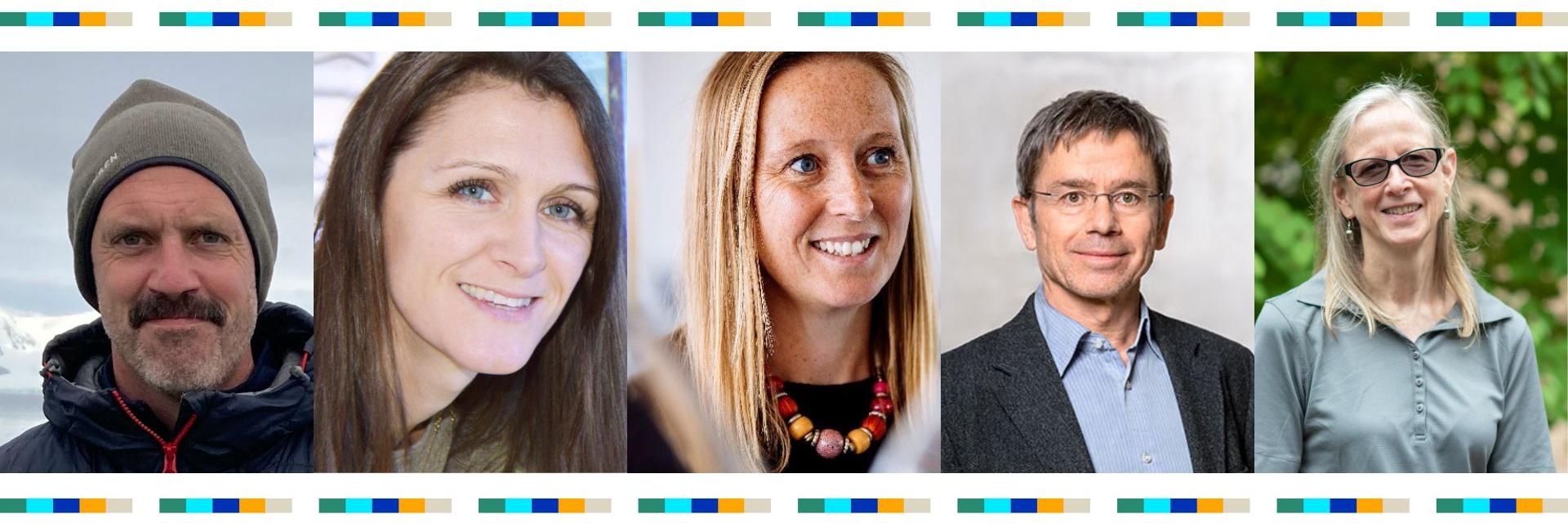
This year, the NIOZ is celebrating its 150th anniversary. As part of the celebrations, our Colloquium Committee organizes a special lectures series with internationally renowned speakers working at the forefront of marine science. From cutting-edge research infrastructure to biodiversity, restoration, climate tipping points, and microbial processes. This series offers fresh perspectives on the future of ocean research. The lectures aim to spark dialogue across disciplines, connect people and ideas, and strengthen the international scientific community around NIOZ. They are open to people of outside NIOZ as well.
Bess B. Ward (Princeton University)
Bess B. Ward is the William J. Sinclair Professor of Geosciences at Princeton University and a leading researcher in marine microbial biogeochemistry. Her work focuses on the microbial processes that drive the marine nitrogen cycle, including nitrification, denitrification, and anaerobic ammonium oxidation. By combining field observations with molecular and biogeochemical approaches, her research has helped reveal how microbial communities regulate nitrogen availability and influence marine ecosystems and global biogeochemical cycles.
About the talk
Enigmatic processes in the marine nitrogen cycle: Pathways that are not supposed to happen
The main microbial and abiotic pathways that complete the marine nitrogen cycle and control the fixed nitrogen inventory of the ocean are well known. I will discuss three processes that add new layers to the N cycle: 1) Nitrification, the oxidation of ammonium to nitrite and then nitrate, produces the substrates for denitrification and therefore determines the fate of fixed N (retention via assimilation or loss via denitrification or anammox). Both steps of nitrification are thought to be obligately aerobic, but both can occur at very low oxygen concentrations in the ocean. We find that very high rates of nitrite oxidation occur in the total absence of oxygen in oxygen depleted depths of the three major oxygen minimum zones of the open ocean. Anaerobic nitrite oxidation is carried out by unique novel nitrite oxidizing bacteria, although the mechanism and oxidant remain unknown. Our most recent findings indicate that oxygen actually inhibits nitrite oxidation by these clades. 2) Nitrous oxide (N2O) is an intermediate or by-product of both nitrification and denitrification and is produced and consumed under low or zero oxygen concentrations. We find that microbes capable of N2O respiration occur in well oxygenated surface waters. N2O consumption is inhibited by high oxygen concentrations, which raises the question of why and how this capability is retained by surface microbes. Based on rate measurements of whole water and genomic investigation of new isolates, our findings support the idea that particulate microenvironments are important sites for anaerobic processes, even in oligotrophic surface waters. 3) N2O is also produced by photochemistry at the ocean/atmosphere interface. This newly discovered process has yet to be included in global inventories, but may participate in a “cryptic” N2O cycle in surface waters.
Practical information
- Date and time: 8 October 2026, 1 p.m.
- Programme
13:00 – 14:00 | Colloquium by Bess Ward: Enigmatic processes in the marine nitrogen cycle: Pathways that are not supposed to happen
14:00 – 14:20 | Presentation by Jamie Goodman: Potential contributions of Flavobacteria to nitrous oxide reduction in permeable sands
14:20 – 14:40 | Presentation by Nicole Bale: The nitrogen cycle in the Black Sea: how did it change over the last 20,000 years?
14:40 – 15:30 | Networking & Drinks
- Location: NIOZ, Texel.
- Open to people from outside NIOZ: yes, online and in-person, registration only.
- Registration: sign up hereOpens in a new tab
Please note: External visitors are kindly asked to register in advance. The registration form can be used to attend one or more colloquia either online or in person. Practical information will be shared after registration.
Previous NIOZ 150 Colloquia
 Part I of the NIOZ 150 Colloquium Series: Exploring the Future of Marine Research with Leigh Storey
 Part II of the NIOZ 150 Colloquium Series: defining seascape connectivity to reimagine nature restoration ambitions with Prof. Joanne Preston
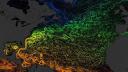 Part III of the NIOZ Colloquium Series: Atlantic ocean circulation, a dangerous tipping point for European climate?
 Part IV of the NIOZ 150 Colloquium Series: Accelerating ocean biodiversity discovery: from exploration to conservation