PhD defence | Ruth Perez Gallego refined tools to investigate climate history
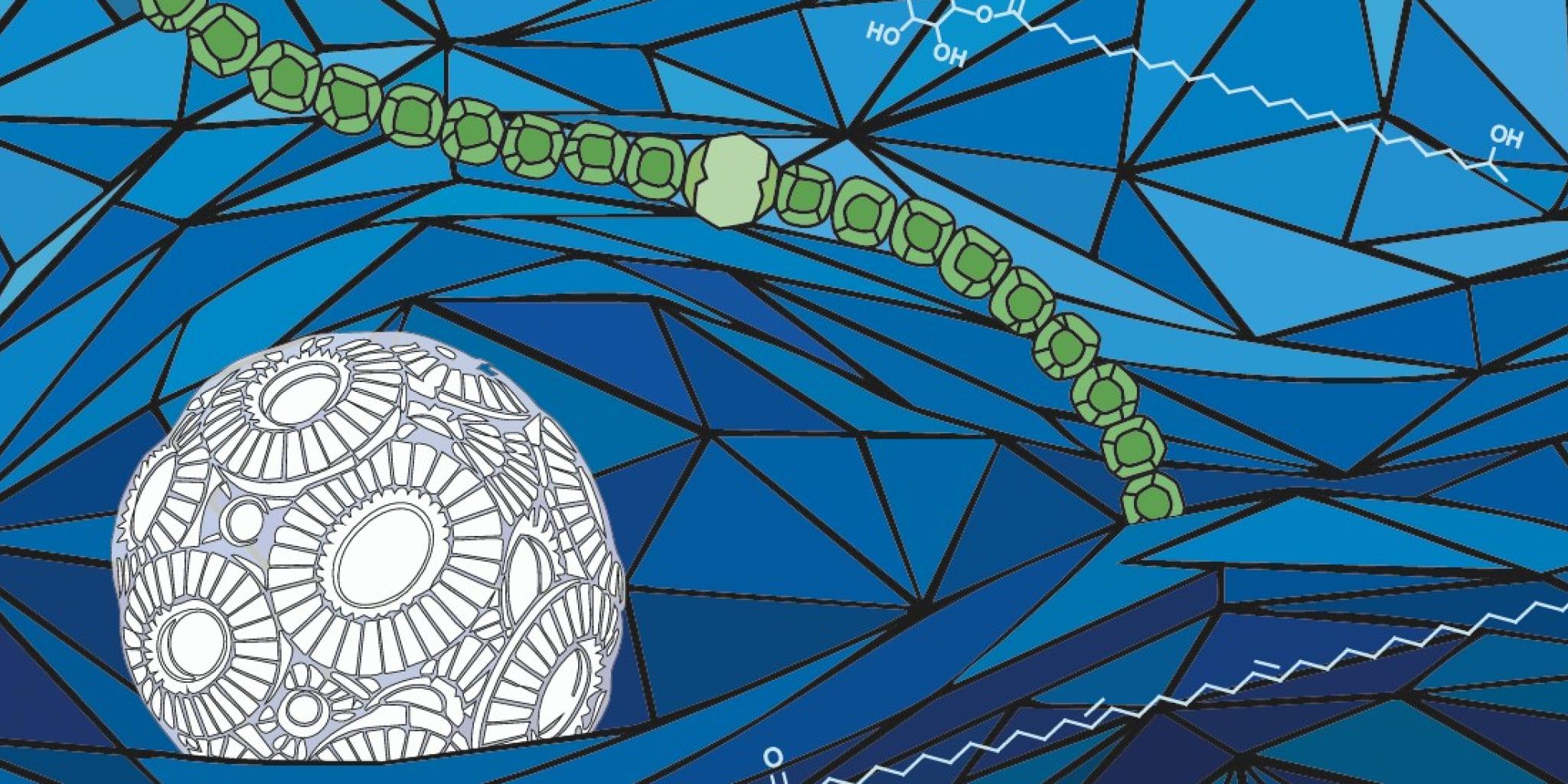
Fragment of thesis cover
We can't understand where our climate is going without knowing where it's been. On 2 April, Ruth Perez Gallego will obtain her PhD from Utrecht University for her research into molecules that enable scientists to interpret climate history more accurately.
To understand how past ecosystems responded to shifts in temperature and available nutrients, scientists turn to biomarkers: molecules that record environmental conditions and are resilient to degradation, thus offering a unique window into climates long gone.
Two lipid families register nitrogen and water temperature
Ruth Perez Gallego investigated two specific families of lipid biomarkers. One, produced by cyanobacteria, reveals past nitrogen availability in the water. The other, produced by marine microalgae, tracks ancient ocean temperatures. While these molecular tools are powerful, their reliability depends on understanding not just which organisms produce them, but also the genes responsible for their formation and the environmental factors that regulate their production.
She bridged the gap
By combining genetic and lipid analysis, Perez Gallego explored how these lipid biomarkers are built, which organisms can build them, and how the ability to build these molecules evolved over time. Bridging the gap between the lipids themselves and the genes that make them allows us to use these tools more confidently, thus providing a clearer picture of Earth's climate history. And the more accurately we can read the past, the better equipped we are to understand the changes unfolding today and navigate those still to come.
Linked staff
Laura Villanueva
Head of Marine Microbiology & Biogeochemistry

Thesis defence
Thesis cover