Part IV of the NIOZ 150 Colloquium Series: Accelerating ocean biodiversity discovery: from exploration to conservation
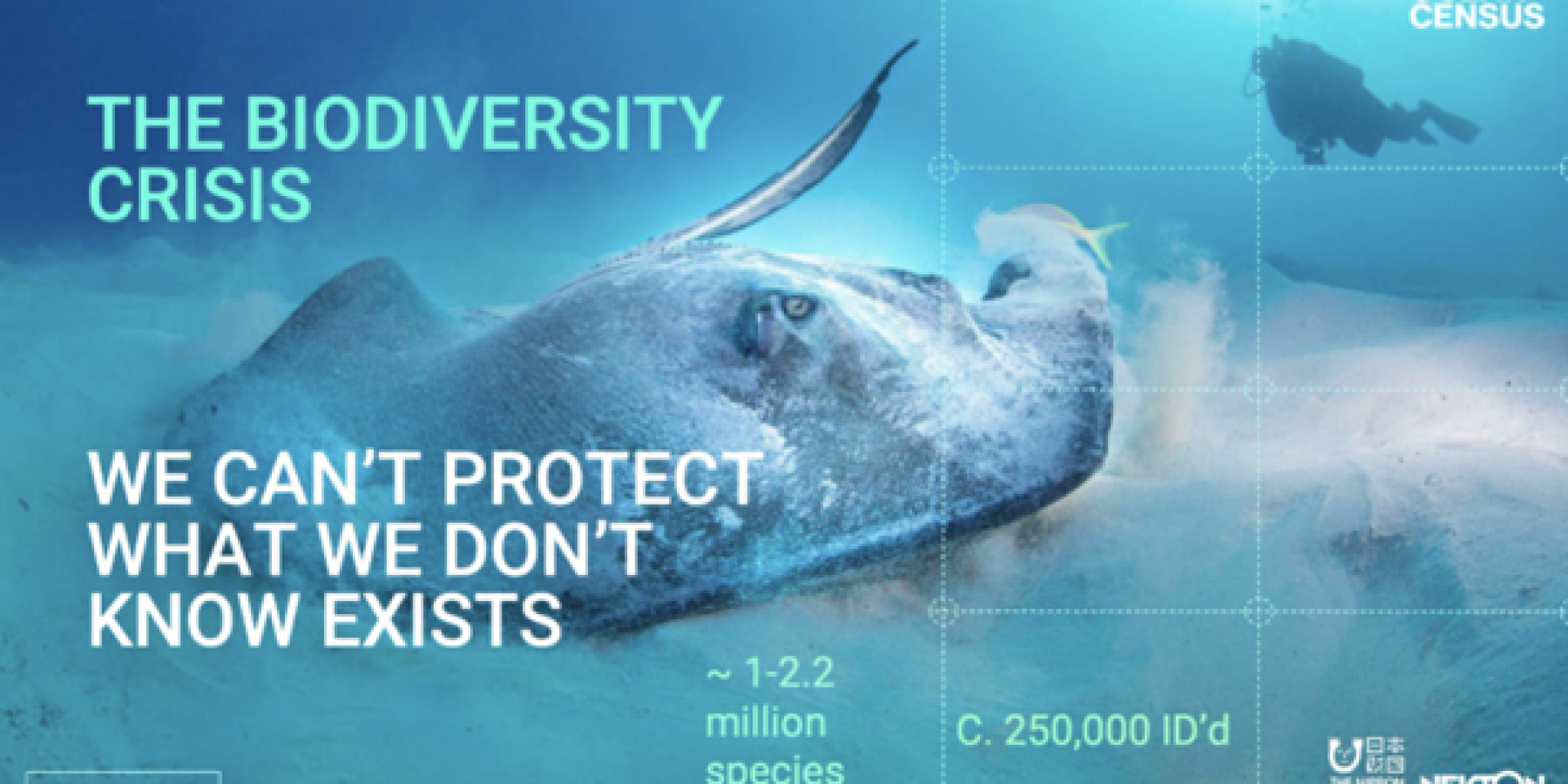
Veel zeedieren zijn nog niet ontdekt (foto: Ocean Census)
As part of the special lecture series celebrating the 150th anniversary of NIOZ, Dr. Michelle L. Taylor joined as the keynote speaker for a discussion on one of the most pressing challenges in marine science: discovering and documenting ocean biodiversity. Dr. Taylor is a marine geneticist, Head of Science at Ocean Census, and Senior Lecturer at the University of Essex. Her research focuses on the ecology, connectivity, phylogenetics, and conservation of vulnerable marine habitats, with experience in shallow-water and deep cold-water corals, mangroves, and seagrass ecosystems. Using field expeditions, molecular tools, and ecological analyses, her work explores how species adapt to (extreme) environments, what drives biodiversity, and how human activities and climate change affect these ecosystems.
The challenges of taxonomy and legacy collections
A central theme of the lecture was the state of marine taxonomy, which Dr. Taylor described as the foundational core of all biological sciences. She cited the Crown of Thorns starfish on the Great Barrier Reef as an example of why taxonomy matters. Initially managed as a single species at great expense, it was later discovered to be a complex of at least five different species with unique ecologies, highlighting the crucial need for accurate taxonomic data to inform conservation.
The field of taxonomy faces significant hurdles. While the total number of people working in taxonomy is actually increasing, fueled by a growth in multi-author papers and expanding efforts in the Global South, there are noticeable gaps in age, gender, and geographic diversity. Additionally, modern taxonomists face widening responsibilities, often juggling grant writing, field expeditions, and sample curation alongside their primary research.
One of the largest bottlenecks is the sheer time it takes to formally describe a new species. On average, it takes 13.5 years from the moment a marine animal is collected to its formal description. For certain groups, like sponges, this process can take up to 24 years. Because of these delays, hundreds of millions of unidentified specimens currently sit in "legacy collections" in museums worldwide, waiting to be analyzed.
Accelerating discovery with Ocean Census
To overcome these barriers, Dr. Taylor introduced the work of Ocean Census, a global 10-year initiative launched in April 2023 with core funding from the Nippon Foundation. The program’s mission is to accelerate marine species discovery through global coordination and open-access data sharing. Ocean Census has already built a science network of 1,700 individuals and 742 institutions across 94 countries, organizing flagship expeditions and species discovery workshops to actively support taxonomists.
A key innovation proposed by the initiative is establishing a new taxonomic status called "discovered". Instead of waiting years for a formal peer-reviewed publication, experts can upload basic information, coordinates, images, and descriptions to a freely available online platform called Ocean Census Nova. This rapid sharing of data prevents duplicated efforts and immediately provides crucial biodiversity information to the global scientific community before full formal publication.
Exploring the deep sea
Dr. Taylor concluded the colloquium by showcasing recent deep-sea exploration efforts. Before looking to the future, she noted the value of historical data, mentioning a Dutch zoological and hydrographic expedition from 1899-1900 that still provides some of the best deep-sea data for the Timor-Leste and Indonesian region, where she is currently planning future work.
She then shared stunning footage from the Ocean Census expedition to the South Sandwich Islands in Antarctica. During this 35-day expedition, an onboard team of 26 people, of whom 18 were taxonomists, explored different sites using a remotely operated vehicle (ROV). The team made incredible observations. The initial results suggest there are new species of primnoidae (corals), sponges (carnivorous), snails, urchins, sea stars, and more. They also captured the first-ever 4K video of a colossal squid. Furthermore, they discovered a highly unique ecosystem around one of the most southerly hydrothermal vents ever found, enduring extreme temperature differences against the 2-degree Celsius ambient Antarctic waters.
Accelerating ocean biodiversity discovery
Ocean Census increased the rate of species discovery by 54% in the last three years. By investing in international collaboration and utilizing advanced technologies, Dr. Taylor demonstrated that we can drastically accelerate the pace of species discovery, providing the essential knowledge needed to protect our oceans.