Mapping an unseen world: polar marine viral diversity and dynamics
Cover of PhD thesis: Polar Marine viral diversity and dynamics by Goncalo Piedade
Most viruses never make anyone sick. In fact, the vast majority live in the ocean, where they play an important role in marine ecosystems. By infecting microbes, viruses influence which species thrive, how nutrients are recycled and how carbon moves through the ocean. On Monday 15 June 2026, NIOZ PhD candidate Gonçalo Piedade defends his PhD thesis Polar marine viral diversity and dynamics at the University of Amsterdam.
In his PhD research, conducted at NIOZ and the University of Amsterdam, Gonçalo investigated the diversity and activity of marine viruses in polar regions. These environments experience strong seasonal variability and climate-driven shifts in food webs and carbon cycling. Yet relatively little is known about how viral communities function in these ecosystems.
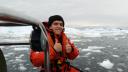
Goncalo Piedade fieldwork in the Antarctic. Picture by Ella Wesdorp
8,000 viral types, 75 percent unknown
His thesis provides the first detailed seasonal overview of viral diversity in coastal Antarctica. The research identified nearly 8,000 viral types, of which approximately 75 percent were previously unknown to science. The findings expand our understanding of the diversity and dynamics of several important groups of marine viruses and reveal a vast reservoir of genetic novelty.
In addition, Gonçalo Piedade examined how viruses influence populations of marine microbes across productive polar seasons. His work showed that warmer temperatures were associated with higher microbial growth and grazing rates, while viral lysis remained relatively independent of temperature, exerting a greater relative impact during colder seasons.
New links
The thesis also established new links between specific viruses and key phytoplankton species, including Micromonas, Phaeocystis and cryptophytes, and explored how environmental factors such as light and temperature affect viral infections.
Together, these findings portray polar marine viruses as reservoirs of genetic novelty and active forces shaping host dynamics, succession and the flow of carbon through the ocean.
Linked staff
Corina Brussaard
Senior Research Leader

Henk Bolhuis
Senior Scientist
Practical information
PhD Defense by Gonçalo Jordão Piedade: Polar marine viral diversity and dynamics - Date: 15 June 2026 at 13:00 - Location: Agnietenkapel, Amsterdam
Cover of PhD thesis: Polar Marine viral diversity and dynamics by Goncalo Piedade