The effect of marine heatwaves on kelp | PhD defence Xiaowei Ding
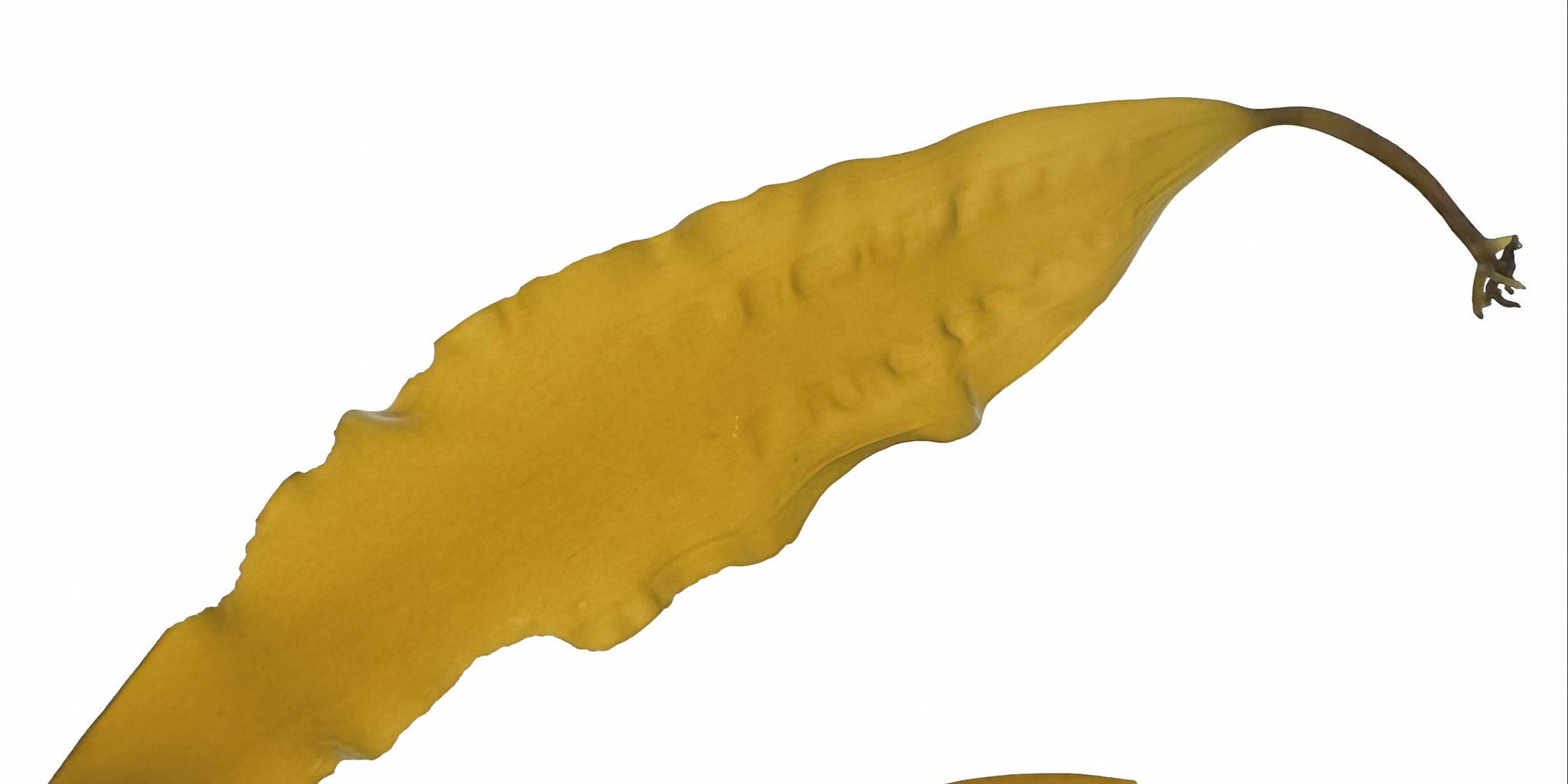
Kelp (credit: Xiaowei Ding)
Kelp forests are one of the most productive ecosystems on Earth, yet they are increasingly threatened by rising ocean temperature and marine heatwaves. In her thesis, Xiaowei Ding compared chronic warming (long-term ocean warming) with acute warming (marine heatwaves) through a series of controlled laboratory experiments. Her PhD defence will take place on February 17.
Experimental results indicate that acute warming causes high physiological stress, reducing tissue integrity, nutrient uptake and photosynthetic efficiency in kelps. By analysing tissue carbon, nitrogen content and biochemical composition, Ding also demonstrated that warming affects kelp’s capacity for carbon and nutrient cycling. The comparative study of Undaria pinnatifida shows that the low growth and survival of this invasive species under warming likely constrain its proliferation in the Dutch Delta.
Xiaowei Ding conducted her research at the Energy and Sustainability Research Institute Groningen (ESRIG), with funding from the Chinese Scholarship Council. She is continuing her career as a postdoctoral researcher at NIOZ.
Linked staff
Xiaowei Ding
Postdoc

Corina Brussaard
Senior Research Leader