Europe's ocean scientists launch advice for governments_Navigating the Future VI
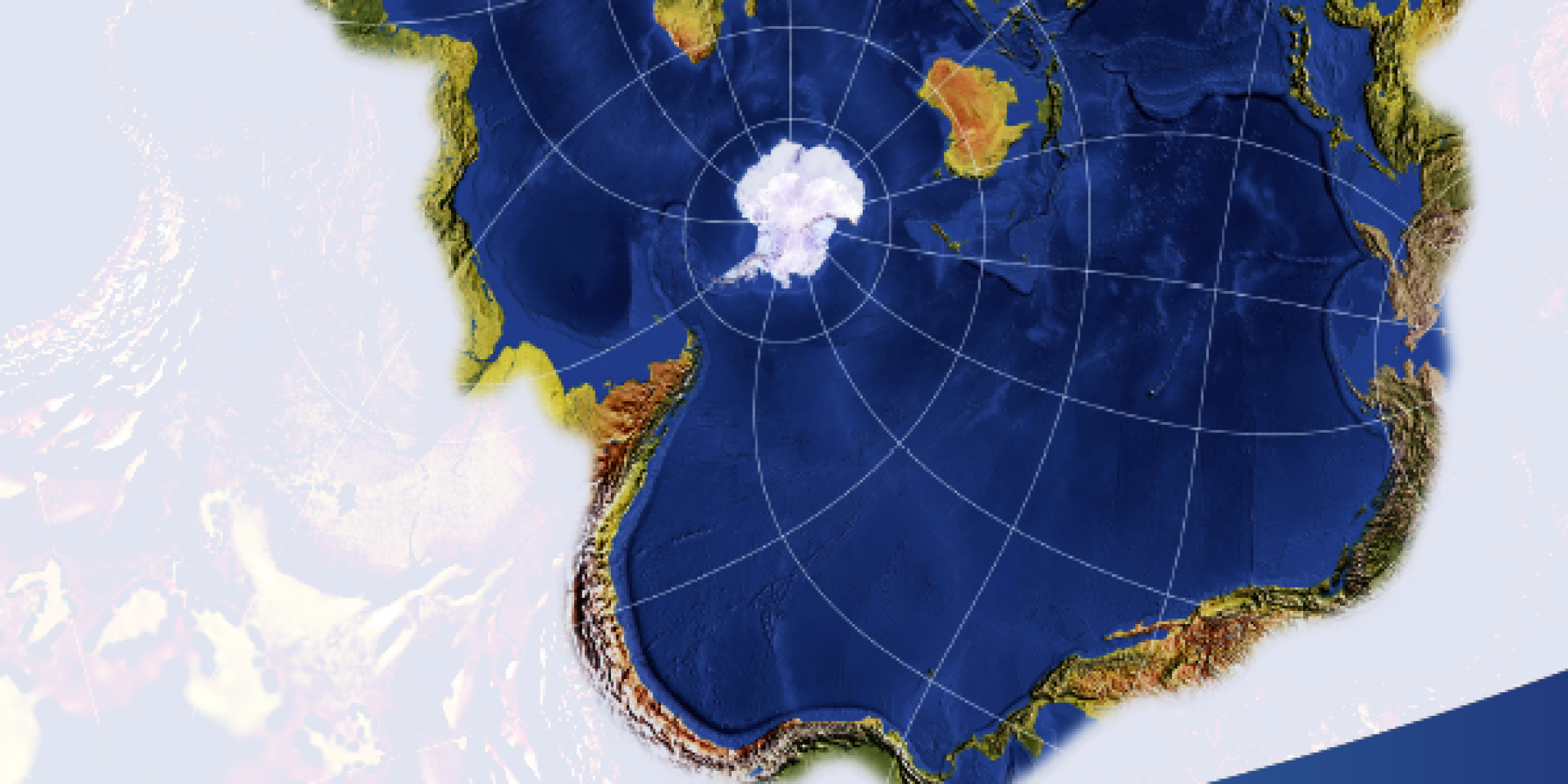
NFVI cover featuring a map of Antarctica and the surrounding ocean.
Leading European Ocean scientists have launched Navigating the Future VI (NFVI), a publication which provides governments, policymakers and funders with robust, independent scientific advice, focusing on the critical role the Ocean plays in the wider Earth system. Navigating the Future VI proposes the marine (natural and social) science research we need to help us address the challenges facing the planet, and with whom we need to collaborate to find solutions. This is a flagship publication of the European Marine Board, an independent non-governmental advisory body that represents more than 10,000 marine scientists across Europe.
“Protecting the Ocean so that it continues to protect us, covering all its extent from the coast to the deep sea, requires a multidisciplinary approach and appropriate governance. Navigating the Future VI, with its four outward-facing chapters linking to topics that any audience can identify with (People, Climate, Fresh Water, and Biodiversity), takes the next step towards these challenges and considers the role of the Ocean and marine science in the wider Earth system”, says Dr Gilles Lericolais, Chair of the publication working group and Chair of the European Marine Board (2019-2024) in the foreword.
Research requirements
At important junctures for the UN Decade of Ocean Science for Sustainable Development
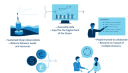
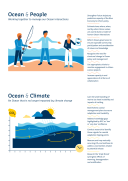
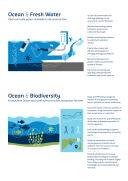
Opens in a new tab (2021-2030) and the EU Mission: Restore our Ocean and watersOpens in a new tab (2021-2027), NFVI outlines key knowledge gaps, and research and policy recommendations to ensure we achieve the objectives of these important initiatives. It discusses how we can work together to manage our Ocean interactions, what is needed to achieve an Ocean that is no longer warming, how we can ensure that clean and safe waters are available to all communities, and how we can have a biodiverse Ocean that continues to provide ecosystem services.Drawing together messages from the four thematic chapters, the publication concludes that to ensure the Ocean continues to provide the services the Earth and society require, we need:
- Specific research on the impact of multiple stressors on the Ocean and its inhabitants;
- Substantial private Ocean finance for projects that are really sustainable, avoiding greenwashing;
- Sustained and long-term research funding;
- Sustained Ocean observations, open, accessible and digitised data, and their integration into Digital Twins of the Ocean;
- Increased technical and financial resources to meet the growing monitoring requirements;
- Harmonised governance, standards, policies and monitoring across the land-coastal-Ocean interface; and
- Scientists and policymakers who are trained to work in cross-, inter-, and trans- disciplinary ways, as well as trained specialists in critical fields.
NFVI also takes an introspective look and recommends that the marine science community should operate in a more sustainable and equitable manner to lead by example.
Collaborative effort
The publication has been a collaborative effort over two years starting in October 2022. The Working Group comprises 33 experts from 16 European countries, covering a wide range of marine natural and social science backgrounds and career levels.
Dr. Peter Kraal of NIOZ, co-lead of the chapter on fresh water and the Ocean:
“We humans are heavily reliant on clean freshwater, but we still exert severe pressure on this crucial commodity. Global warming causes rising sea levels, which are pushing seawater further inland into rivers, wetlands and underground freshwater reserves, with negative effects on water quality. Moreover, human activities generate waste streams with cocktails of hazardous chemicals that enter the global water cycle, making their way from freshwater reservoirs to the Ocean. Freshwater and the Ocean are intimately connected and affect each other; we need to understand how in order to sustainably use both components of the global water cycle.”
NVFI Requirements
Linked staff
Peter Kraal
Senior Scientist

Flagship publication 'Navigating the Future VI' on the EMB website
Link to the flagship publication 'Navigating the Future VI' on the EMB website
The Working Group of NFVI comprised 33 experts from 16 European countries.
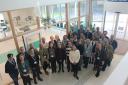
The Working Group of NFVI comprised 33 experts from 16 European countries.
NFVI_Recommendations Ocean and People_Ocean and Climate
NFVI_Recommendations Ocean and People_Ocean and Climate
NFVI_Recommendations Ocean and Fresh Water_Ocean and Biodiversity
NFVI_Recommendations Ocean and Fresh Water_Ocean and Biodiversity